 Real Salt Lake Hub
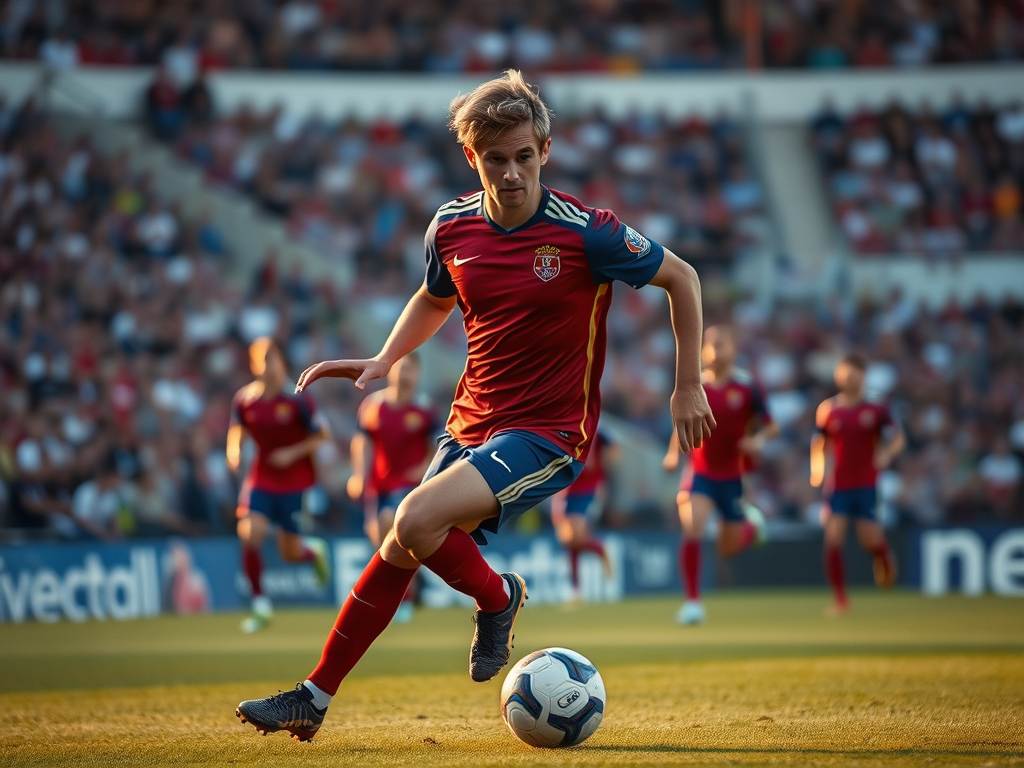
This season, Real Salt Lake has undergone a tactical transformation that is becoming increasingly evident match by match. Under the leadership of head coach Pablo Mastroeni, the team has adopted a more flexible formation that allows for tactical adjustments depending on the opponent. Observers have noted a shift from the traditional 4-3-3 to a more hybrid 4-2-3-1, designed to maximize the creative talents of players like N. Caliskan and G. Dillon in the midfield.
The emphasis on ball control and pressing has redefined their approach. On recent match days, Mastroeni has encouraged his players to press high and win the ball back quickly. This high-intensity style was especially effective during the last encounter against Colorado Rapids, where they managed to restrict their rivals to just a handful of chances. This strategy led to a dominant 3-0 win, much to the delight of the home supporters.
Another key element of Mastroeni's strategy is the fluidity displayed in the attack. Jesús Rafael Barea Barroso has thrived in this environment, moving seamlessly between the flanks and central positions to exploit gaps in the opponent's defense. His breakout performance last week attested to this new attacking ethos, where he netted two goals after making intelligent runs that left defenders scrambling.
Defensively, the team has become more solid, with a committed backline supported by Kerkvliet's emerging dominance. The center-backs, including J. Glad, have shown remarkable synergy, often working together to nullify aerial threats. Fans have expressed enthusiasm over these developments, hopeful that the tactical evolution will lead to a deep playoff run.