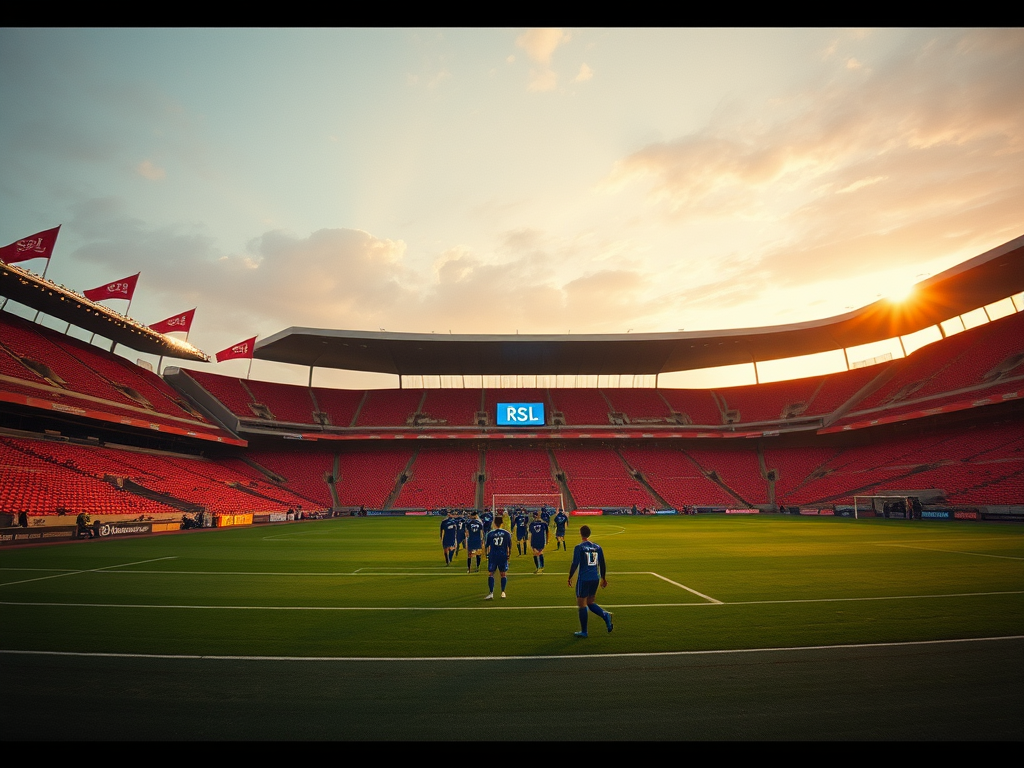
 Real Salt Lake Hub
Real Salt Lake's recent form has shown flashes of brilliance but has also exposed vulnerabilities that need to be addressed as the season progresses. With a mix of experienced players and emerging talents, RSL has the potential to make a significant impact in the league, but subtle tactical adjustments may be necessary to unlock that potential fully.
Midfield Dynamics
One area where RSL can enhance its play is in the midfield. While G. Dillon has been a reliable engine for the team, the midfield often appears congested, particularly when transitioning from defense to attack. By adopting a more fluid formation, such as a 4-3-3, RSL can create more space for their attacking players. This shift allows for a deeper-lying midfielder to sweep up defensive duties while two more advanced midfielders can support both the attack and defense. This setup can help in maintaining possession and facilitating quicker transitions, ultimately leading to more goal-scoring opportunities.
Wide Play
Another aspect to consider is the utilization of the flanks. RSL has talented wingers who can exploit defensive weaknesses, yet the team has often relied too heavily on central play. Encouraging the full-backs to overlap and providing width can stretch opposing defenses, opening up central lanes for players like Jesús Barea to exploit. By emphasizing wing play, RSL can create mismatches, drawing defenders out of position and allowing for more creative attacking combinations.
Defensive Organization
Defensively, RSL's backline has occasionally looked disjointed, particularly during high-press situations. To bolster defensive solidity, it may be beneficial to implement a zonal marking system during set pieces and open play. This approach can reduce confusion during defensive transitions, ensuring that players know their responsibilities as the play develops. Furthermore, encouraging the center-backs to maintain a higher line could compress the space available to opponents, allowing RSL to reclaim possession more effectively.
Set Pieces
Additionally, set pieces have been a mixed bag for RSL. Enhancing set-piece routines, both offensively and defensively, could yield dividends. On offense, incorporating varied runs and positioning can create confusion for defenders, increasing the chances of scoring from corners and free-kicks. Defensively, a more structured approach can prevent easy goals, which have been a concern in recent matches.
Conclusion
In conclusion, while RSL has shown promise, implementing these tactical tweaks could significantly enhance their overall performance. By focusing on midfield fluidity, utilizing the wings more effectively, tightening defensive organization, and improving set-piece strategies, Real Salt Lake can pivot from potential to performance. The upcoming matches present an opportunity for the coaching staff to assess these adjustments and refine the team's tactical approach as they aim for a successful season.